NICE · MÉTROPOLE · CÔTE D’AZUR
You are far away.We are at the door.
Clearing an inherited property, cleaning after a death, hoarded homes, flats that have stayed shut for years. We only act on written instruction. Nothing leaves the property before you have seen it photographed, and whoever instructs us receives a report at the end of every working day, wherever in the world they happen to be.
- Nothing is removed without your written agreement
- Documents, photographs and personal effects are set aside and returned to you
- We answer in English, French and Italian
WE ACT ON INSTRUCTION FROM
- Notaires — the French notaries who settle estates
- Court-appointed deputies, guardians and family carers
- Building managers and residence syndics
- Heirs and families
FR · EN · IT
FROM WHEREVER YOU ARE
You do not need to be there.
Most of the people who call us live several hundred miles from the property, often in another country. Coming here is not a condition. We work on a written instruction, we photograph and record each day of work, and you decide at every stage without setting foot in the flat.
If you would rather be present, of course you can be. But it should not be the thing that holds everything up for months.
If you are an owner or heir outside FranceDAY 1
Opening and inventory
The property photographed as we found it, papers and personal effects identified first.
DAY 2
Sorting, with you on the line
You confirm by phone or email what is kept and what goes.
DAY 3
Removal
Licensed disposal, with waste transfer notes issued in your name or the notaire’s.
DAY 4
Handover
Full photographic report, certificate, and the personal effects returned to you.
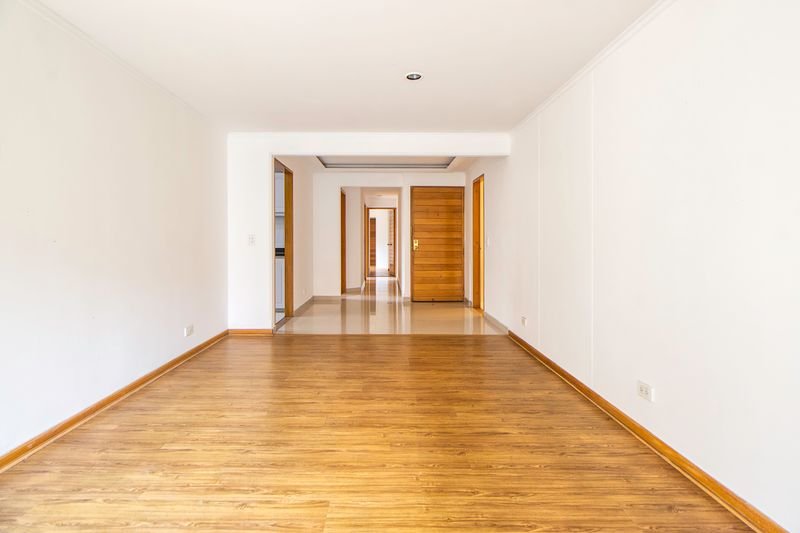
An illustration of how a job is reported. Real timings depend on the volume and the state of the property.
WHY PEOPLE CALL US
Four situations, one way of working
A death, often found late
When someone lived alone, they may not be found for some time, and the state of the home can be hard to face. We handle full decontamination and then put the property back in order. There is nothing for you to prepare, and nothing you have to see.
An estate to settle
The flat has to be emptied before it can be sold or handed back. We produce a photographic inventory before anything is removed, and we deal directly with the notaire handling the estate if that is easier for you.
Read moreA property shut for years
Closed shutters, a leak nobody noticed, mould along the north-facing walls, an infestation that has had time to settle. This is not an emergency, it is a condition — and it is treated in order, starting with drying the structure out.
Read moreSomeone under legal protection
Under a French curatelle or tutelle, it is the court-appointed deputy who instructs us. The aim is very often to keep the person in their own home, which changes the whole approach to sorting.
Read more
OUR WORK
What we take on
Clearing an inherited property
The property emptied completely, sorted with you, disposed of through licensed channels. Nothing goes out of the door before your written agreement.
You receive: a photographic inventory and waste transfer notes
Cleaning after a death
Decontamination, treatment of porous surfaces, odour removal by ozone or fogging depending on the size of the property.
You receive: a decontamination certificate
Hoarding and compulsive accumulation
Gradual clearing, done with respect for the person when they are still living there, then disinfection and repair.
You receive: a photographic report at each stage
Properties closed for a long time
Opening up, measuring the damp, controlled drying before any surface treatment, then bringing the flat back into use.
You receive: moisture readings taken over the drying period
After a leak or an infestation
Water extraction, fungicidal treatment, disinfection alongside pest treatment where that is needed.
You receive: a file you can send straight to the insurer
Preparing a property for sale or letting
Full clean, floors and bathrooms treated, the property ready to be viewed.
You receive: a photographic record of the finished work
Three recent jobs
Illustrative cases, reconstructed from real work. Nothing that could identify a person or an address is published.
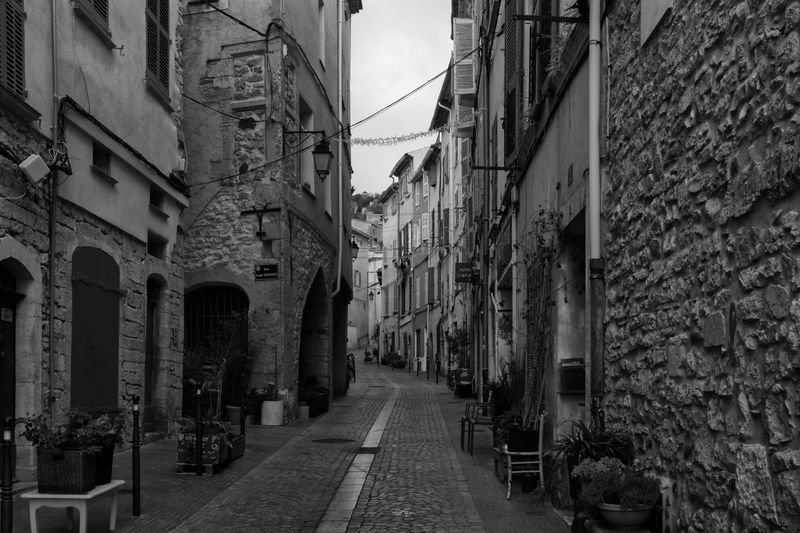
VIEUX-NICE
Fourth floor, a lane no van can enter
Nothing on wheels can reach the door. Everything was carried sixty metres to the nearest square, on a parking slot booked with the city, and the removal was spread over two days so the lane stayed passable during the busy hours.
CIMIEZ
An estate, with the heir in London
A complete photographic inventory was sent before anything was moved, followed by a written report every evening. Papers and jewellery were set aside and shipped by insured courier. The notaire received the disposal notes directly.
NICE OUEST
A flat closed for six years
A leak that had never been reported, mould across the north-facing partitions. Eight days of controlled drying with moisture readings before any fungicide was applied, then full repair so the flat could go on the market.
What actually happens
- 01
The first call
No questionnaire. You describe the situation, we tell you what is possible and how long it takes. Fifteen minutes is usually enough.
- 02
The written instruction
We tell you which documents to gather for your situation: sole heir, joint heirs, notaire, court-appointed deputy. Nothing starts before that is in place.
- 03
The visit and the quote
On site, without you if you prefer. Photographs the same day, a fixed quote itemised line by line, valid for thirty days.
- 04
The work and the handover
A report every evening. At the end: the full record, the certificate, the disposal notes, and your family’s personal effects back in your hands.
The documents usually needed
- Sole heir — death certificate, proof of identity, the notaire’s certificate of inheritance
- Joint heirs (indivision) — written agreement from every one of them
- Instructed by a notaire — a letter setting out the scope of the work
- Legal protection order — the court decision and a letter from the deputy
This is a guide, not a rule. We follow whatever your notaire or your deputy considers necessary.
Where we work
Nice and the whole of the Côte d’Azur. Every area has its own obstacle: a lane no vehicle can enter, a hill road of tight hairpins, a residence where access depends on the building manager. We know which one you are dealing with before we arrive.

Questions we are often asked
OUR UNDERTAKINGS
What we will not do
We never approach anyone unasked
Not by telephone, not at the door, not through anyone acting on our behalf. If someone turns up at a relative’s home saying they are from us, they are not.
We buy nothing
A company that clears a property cannot also buy what it removes. We make no offers for contents and we give no valuations. For that, speak to a licensed auctioneer.
We remove nothing without written instruction
Not on a phone call, not on someone’s word. Where a property is jointly inherited, every heir must agree. That protects you as much as it protects us.
We throw away no personal effects by default
Papers, photographs, letters, jewellery, ornaments: everything is set aside, listed and returned. You decide, never us.
WRITE TO US
Tell us only what matters.
Three pieces of information are enough to start. The rest is visible on site, and the visit commits you to nothing.
OR DIRECTLY
04 00 00 00 00contact@ostara-nice.fr[À_RENSEIGNER], 06000 Nice
HoursMonday to Saturday, 8am – 7pm (Paris time). Sundays only for situations that cannot wait.
We answer in English, French and Italian.
If you are calling from abroad, give us a time that works for you: we call at your hour, not ours.