SITUATION
Second homes and empty property
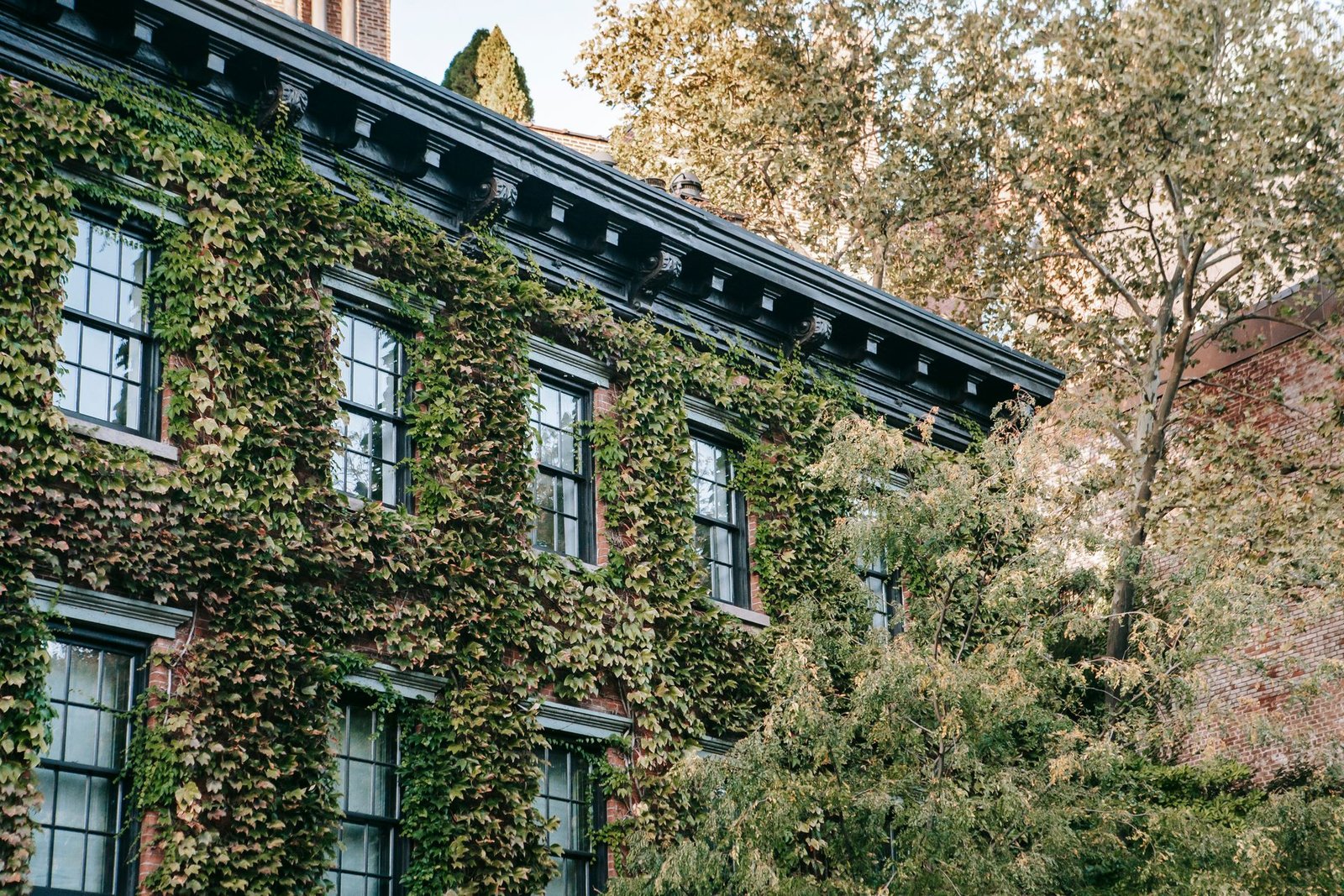
A home closed for months or years is not a dirty home: it is a home that has changed with nobody watching. Damp has settled in, a leak may have worked away unseen, an infestation has had time to establish itself. It is not an emergency, it is a condition — and the order of the work matters more than anything else.
Open up, measure, dry out, and only then treat
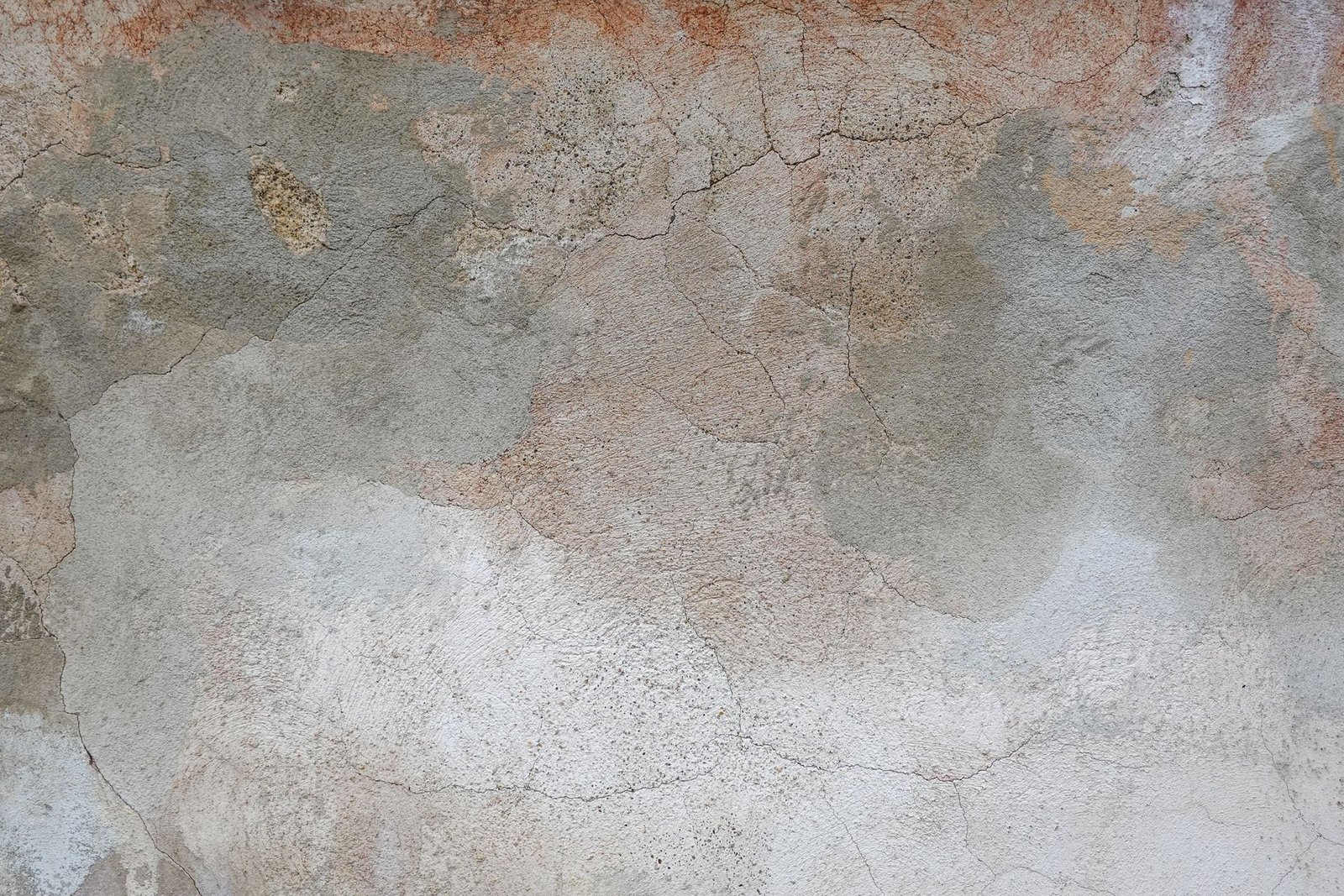
That is the rule, and it has no exceptions. A fungicide applied to a wall that is still wet does not hold: it hides the problem for a few weeks and the mould returns. We measure the moisture in the structure before anything else, dry it in a controlled way with successive readings, and move to surface treatment only once the readings have come down.
North walls, cellars, joinery
Three places speak before the others. North-facing partitions mark first. Cellars near the water table stay permanently damp, and whatever has been stored in them carries the mark. On the coast, salt damp attacks ironwork and joinery long before it reaches the walls. A serious survey starts at those three points.
What you receive, even at a distance
The moisture readings are sent to you as they are taken, with matching dated photographs. You watch the curve come down without being there. At the end, the complete file — initial state, readings, treatments applied, final state — can be passed straight to an insurer or a buyer.
What you will need
- Proof of ownership, or written instruction from the owner
- Where there are joint owners: written agreement from all of them
- Contact details for the building manager or caretaker, for access
- Where applicable, the insurance claim reference
If a leak is involved, send us the claim reference: the photographic report is then prepared with the insurer in mind.
Questions specific to this situation
How long does drying take?
Usually eight to ten days for a plastered partition, longer for old masonry or where water is still getting in. The readings are sent to you throughout: it is not a blind wait.
Do the floor and wall coverings have to come off?
Not as a rule. A soft floor covering laid on a sound slab can often be kept after treatment. Wall lining that has absorbed water, on the other hand, does not dry properly in place: taking it off costs less than treating twice.
Is it better to do this before selling?
Generally yes. A property that has been treated, dried and documented shows better and negotiates differently from one where the buyer discovers the north wall for themselves.
The other situations
Write to us, even if you are not sure.
You do not need to have gathered every document before calling. We will tell you what is missing, and neither the visit nor the quote commits you to anything.
Back to the main page