WHAT WE DO
Cleaning after a death
This is the work least often spoken about, and the work that calls for the most restraint. We will not describe here what has to be done. Know only that there is nothing for you to prepare, nothing you have to see, and nobody you have to explain anything to. This page sets out how we proceed and what you receive at the end.
You receive : a decontamination certificate
How it runs
- 01
The first contact
It usually comes after the authorities have finished. We do not enter without written instruction from someone entitled to give it. The vehicle is unmarked and the hours for using the communal parts are agreed in advance with the building manager or caretaker: from outside, nothing says what is being done.
- 02
The survey
We establish which surfaces are affected and, above all, which are porous. Tile, old parquet and carpet do not call for the same treatment: the first is treated in place, the last is taken up. That division decides both the duration and the cost.
- 03
Decontamination
Removal and licensed disposal of anything that cannot be saved, then disinfection of surfaces and treatment of the porous materials that are kept. The team works in protective equipment; the property is not accessible during this phase.
- 04
Air treatment and handover
Ozone or fogging depending on the volume, then controlled ventilation and a check. The property comes back to you with a decontamination certificate and a photographic report.
What is included
- Discretion: unmarked vehicle, hours agreed with the building manager or caretaker
- Removal and licensed disposal of anything that cannot be saved
- Disinfection of surfaces and treatment of the porous materials that are kept
- Odour treatment by ozone or fogging, depending on the volume
- A decontamination certificate and a photographic report
What is not
- Laboratory sampling and analysis, which belong to another trade
- Major reinstatement of what was taken up — partitions, floors — quoted separately
- Any communication with neighbours or the building association without your explicit agreement
- Keeping the photographs beyond the file handed to you, which is destroyed at the end of the statutory periods
As with everything we do: nothing is removed without written instruction from someone entitled to give it, no contents are bought, and no valuations are given.
What moves the price
- How long passed before the person was found, which governs almost everything else
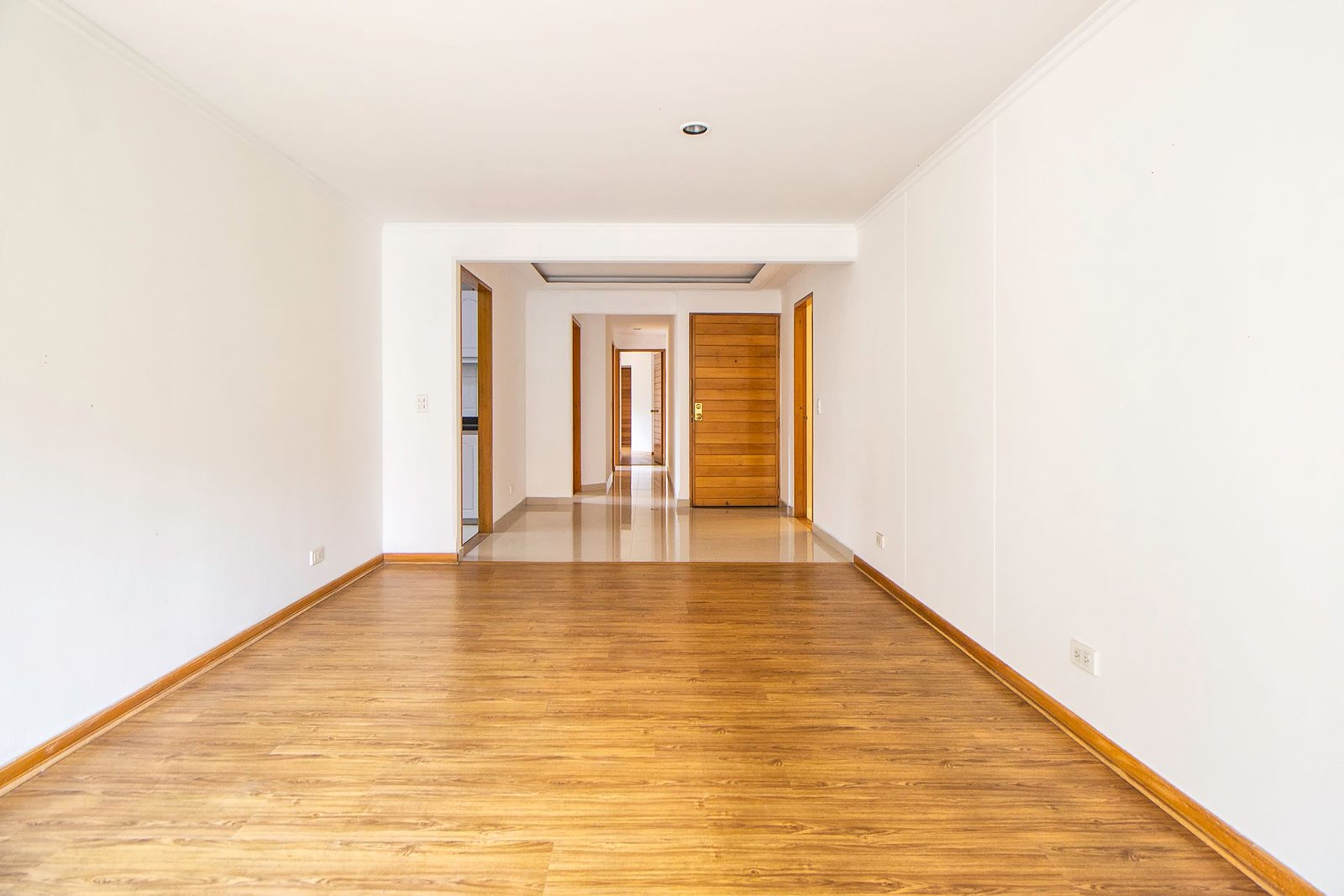
- The nature of the surfaces: tile is not treated like old parquet
- The volume to be treated, which sets how long the property is out of use
- The season and the temperature, which change how odours travel through ducts and partitions
- Access for removing what has been taken up, particularly with no lift
No prices are shown on this site, and that is not coyness: two jobs with the same name can differ tenfold depending on the floor, the access and the state of the property. The quote is prepared after a visit, itemised line by line, and it is fixed.
Questions specific to this work
Does the building association have to be told?
The building manager has to be informed where access to communal parts is needed, and we make that contact if you prefer. We tell them only what the arrangements require — dates, hours, access — and never the nature of the work.
How long is the property out of use?
Usually two to five days, including a full closure during the ozone treatment. The property is then ventilated and checked before being handed back. The exact duration is given at the visit, and the schedule is confirmed before we start.
Can the smell come back?
It comes back when a porous surface was treated rather than taken up, or when a service duct was left untreated. That is precisely what the survey exists to prevent. If an odour reappears after we have been, we come back: it means the survey was incomplete, and that is on us.
Tell us about the property.
A few lines are enough for us to say what is possible and how long it takes. Neither the visit nor the quote commits you to anything, and you do not need to be in France.
Back to the main page