AREA
L’Ariane
In L’Ariane most of what we do is instructed by a court-appointed deputy, a family curateur or a social landlord. The aim is very often that the person stays in their own home — which changes the whole approach to sorting.
The buildings
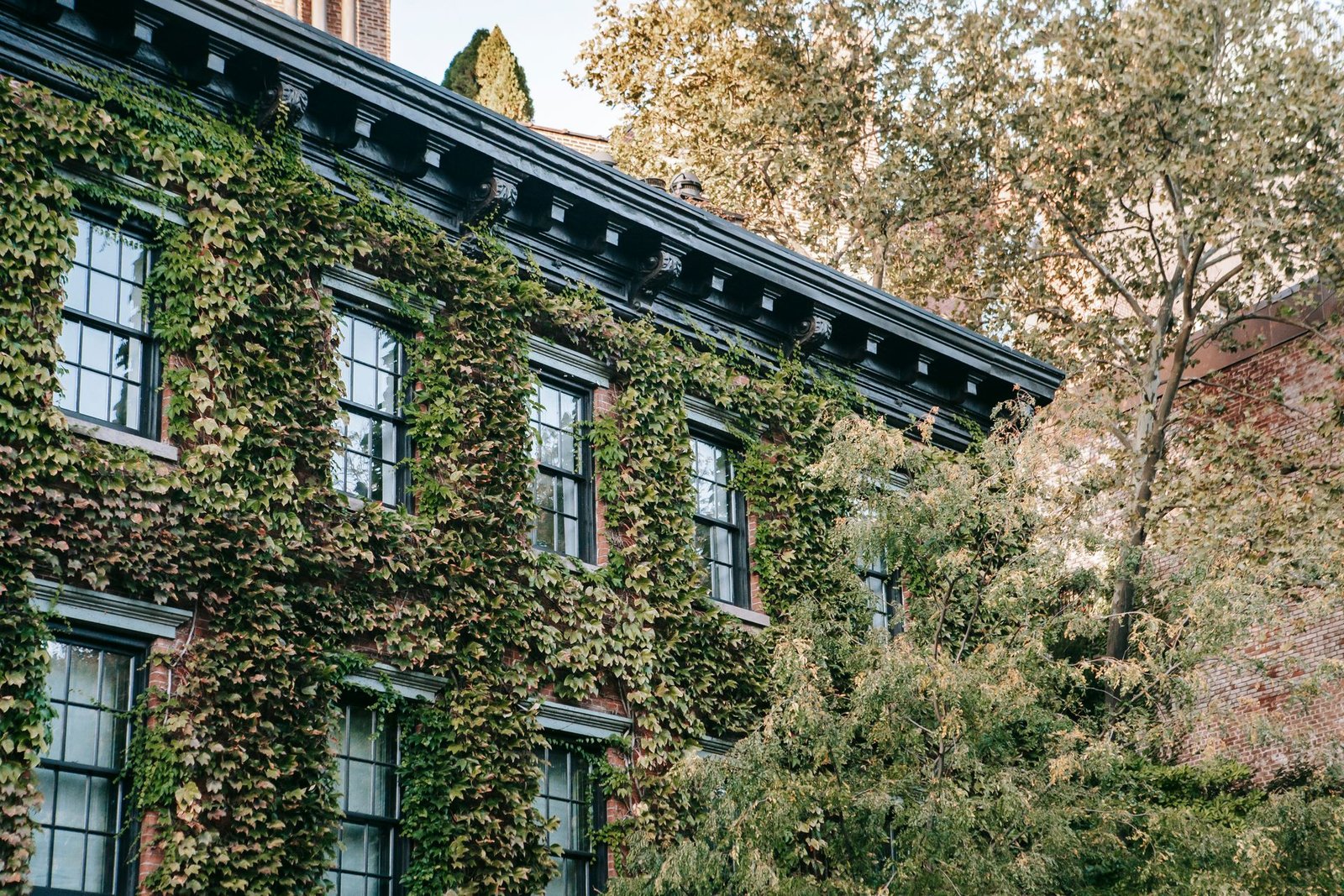
Collective housing from the 1960s and 70s, two to four rooms, built-in drying rooms and stores. Lifts serve every floor but carry little, and any period out of service has to be planned around with the landlord.
The access problem
Parking at the foot of the block with the caretaker’s or the landlord’s agreement. Loading goes through the communal parts at agreed hours, and the landing is cleared as we go: nothing is left waiting outside a neighbour’s door.
A job typical of this area
A flat occupied by someone under a curatelle order, instructed by their court-appointed deputy. Gradual decluttering, sorting done with the person as far as they were able, disinfection and repair without a move. The administrative documents found were listed, photographed and handed to the deputy.
An illustrative case, reconstructed from real work. Nothing that could identify a person or an address is published.
How long it takes
Three to six days for full repair after decluttering. Where the person stays in the flat, the work is split up: the duration is counted in visits, not in consecutive days.
Observed duration for this kind of property. It depends on the volume, the state of the place, and when the written instruction reaches us.
Tell us where the property is.
We know the local obstacle before we arrive: the lane no van can enter, the hill road, the residence where access depends on the building manager. You do not have to be in France for us to start.
Back to the main page